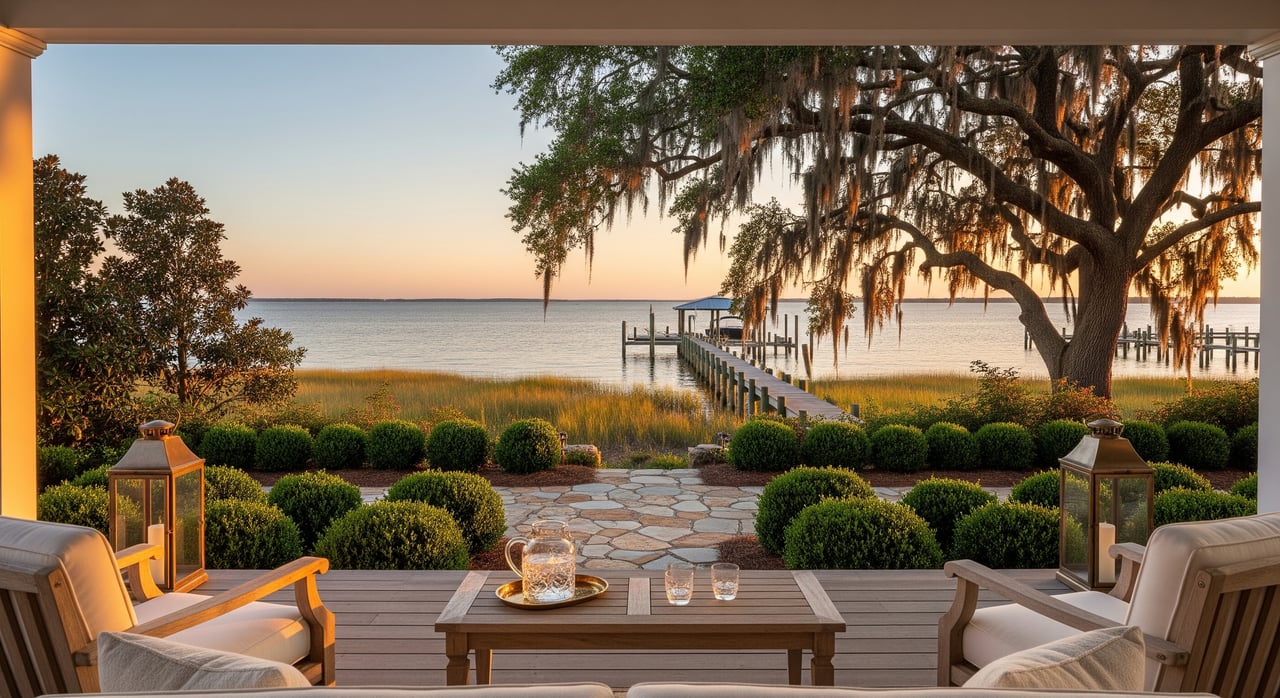
Are you dreaming of coffee on a front porch steps from boutiques, or sunsets over Mobile Bay from your own dock? Fairhope gives you both choices, and each delivers a very different daily rhythm. If you are weighing a bayfront address against a walkable village lifestyle, you deserve a clear picture of how each one lives, what it typically costs, and the tradeoffs to expect. This guide breaks it down so you can move forward with confidence. Let’s dive in.
Fairhope at a glance
Fairhope sits along the Eastern Shore of Mobile Bay in Baldwin County. You will find a compact downtown with shops, galleries, and restaurants, plus the public pier and bayfront parks that anchor community life. Just beyond downtown, neighborhoods range from historic cottages to newer infill and traditional subdivisions. Many buyers also compare commute access to Mobile and weekend drives to Gulf Shores and Orange Beach.
Waterfront lifestyle
Daily rhythm on the bay
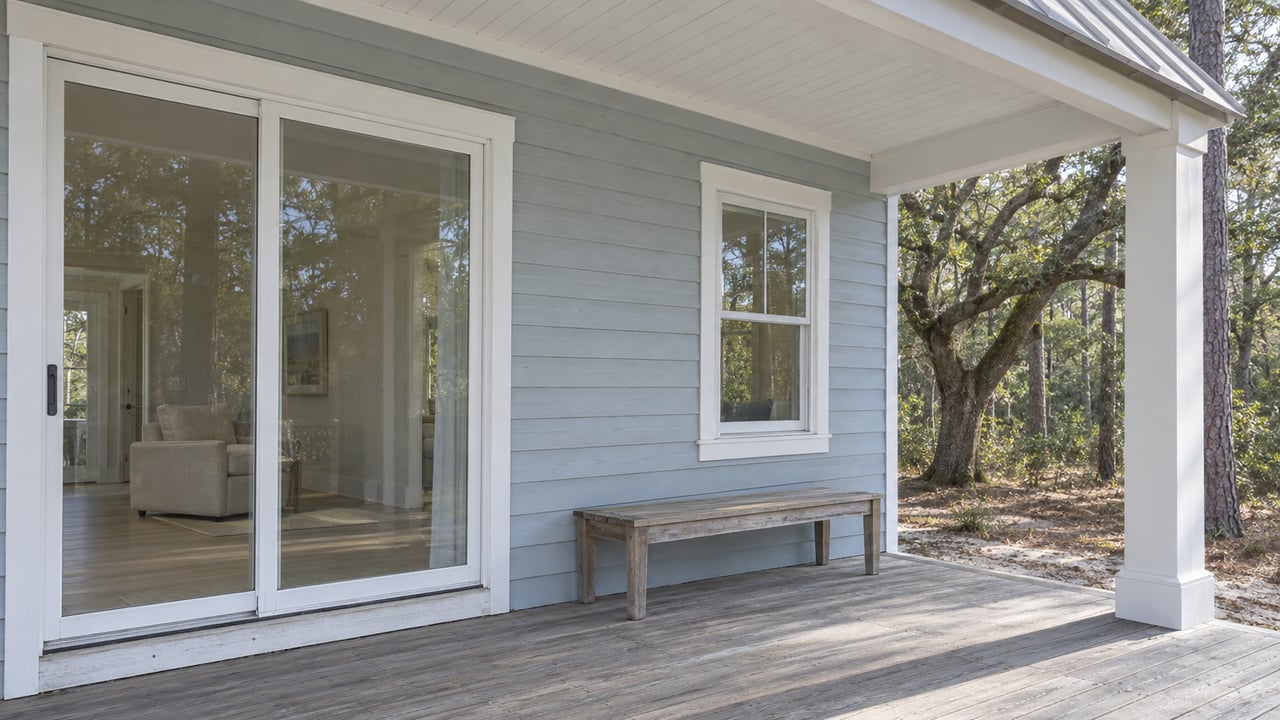
Waterfront living in Fairhope centers on the outdoors. You step into wide views of Mobile Bay, with time marked by light on the water and evening sunsets. Boating, fishing, birding, and paddle time often shape your weekends. Many bayfront parcels feel quiet and private, although activity can pick up with boat traffic and seasonal visitors. Daily walkability to shops is often limited, so expect short drives for errands.
Noise, privacy, and pace
Waterfront streets generally feel calmer than downtown blocks, with fewer pedestrians and retail sounds. Privacy varies by lot size and orientation. Some parcels sit on narrow or winding roads that feel serene, yet may add a few minutes to your drive. If you enjoy a slower pace and privacy, you will likely appreciate this setting.
Home types and price patterns
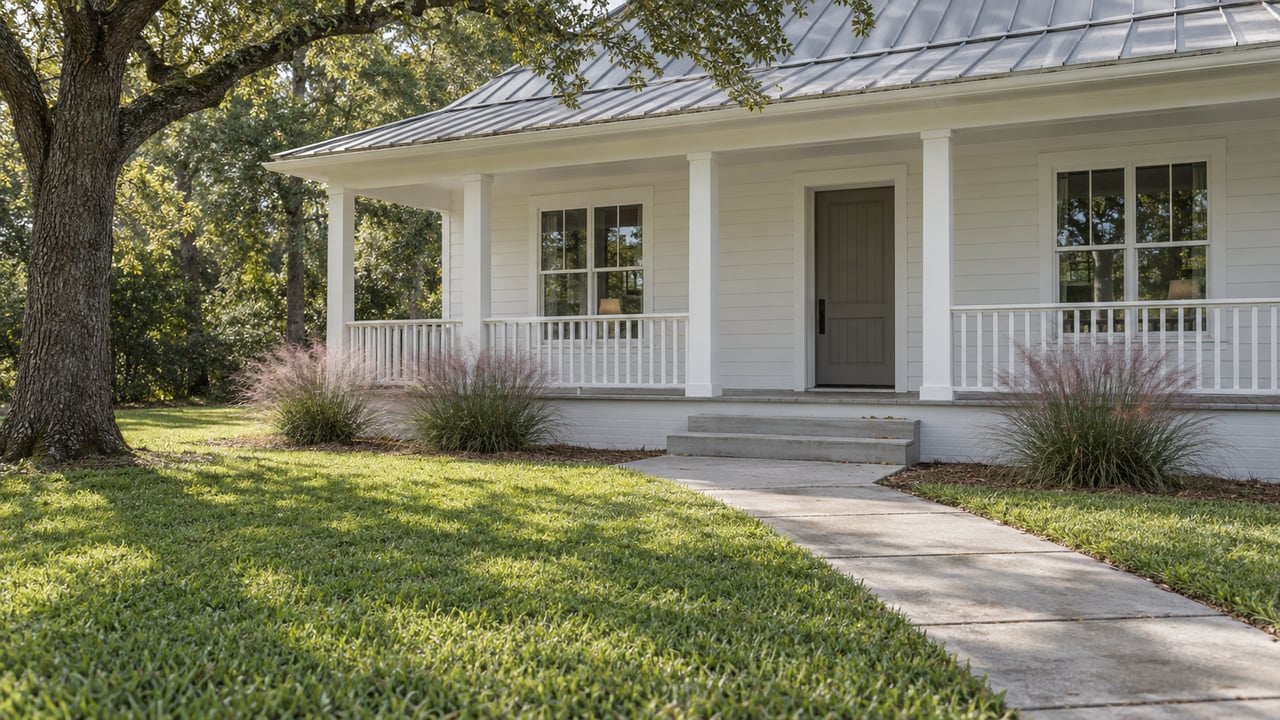
Bayfront options range from modest mid‑century cottages and elevated bungalows to large custom estates with docks. Some are part of small waterfront clusters, while many are standalone lots. Directionally, buyers see modest waterfront or bay‑view homes in the mid to high five hundreds, with upgraded bayfront and custom estates running from the high six figures into the multi‑million range. Lot frontage, dock and boat lift, elevation, flood mitigation, views, and recent renovations are the biggest price drivers. Inventory is small and pricing moves with the market, so plan to verify current comps through the local MLS.
Practical costs and due diligence
Waterfront property ownership carries unique responsibilities:
- Flood risk and insurance. Bayfront areas can be susceptible to coastal flooding and storm surge. Review FEMA Flood Insurance Rate Maps for the parcel, request an elevation certificate when available, and obtain flood insurance quotes early. Premiums depend on flood zone, elevation, building value, and mitigation features.
- Coastal wear and maintenance. Salt air accelerates corrosion and weathering. Budget for more frequent exterior painting, decking and metal replacement, and potential seawall or bulkhead upkeep. Docks and boat lifts require seasonal maintenance and proper permits.
- Utilities and drainage. Confirm whether the property connects to city sewer or uses septic. Inspect septic permits and servicing records when applicable.
- Permits and shoreline work. Shoreline structures and dredging often require approvals from city, county, and state, and certain activities may involve federal review. Gather past permit documentation before closing.
- Carrying costs. Expect property taxes tied to assessed value, homeowner and wind coverage, flood insurance if required, utilities, and a higher maintenance budget than inland homes.
Village and cottage lifestyle
Walkability and social life
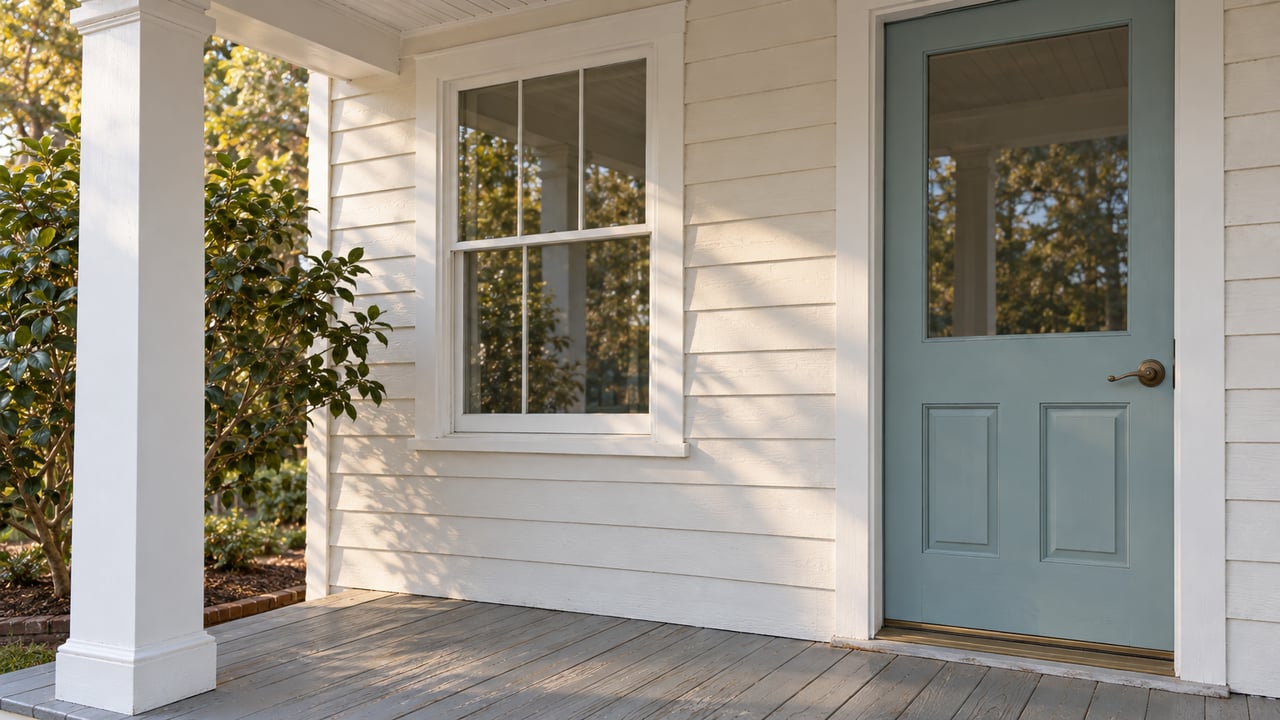
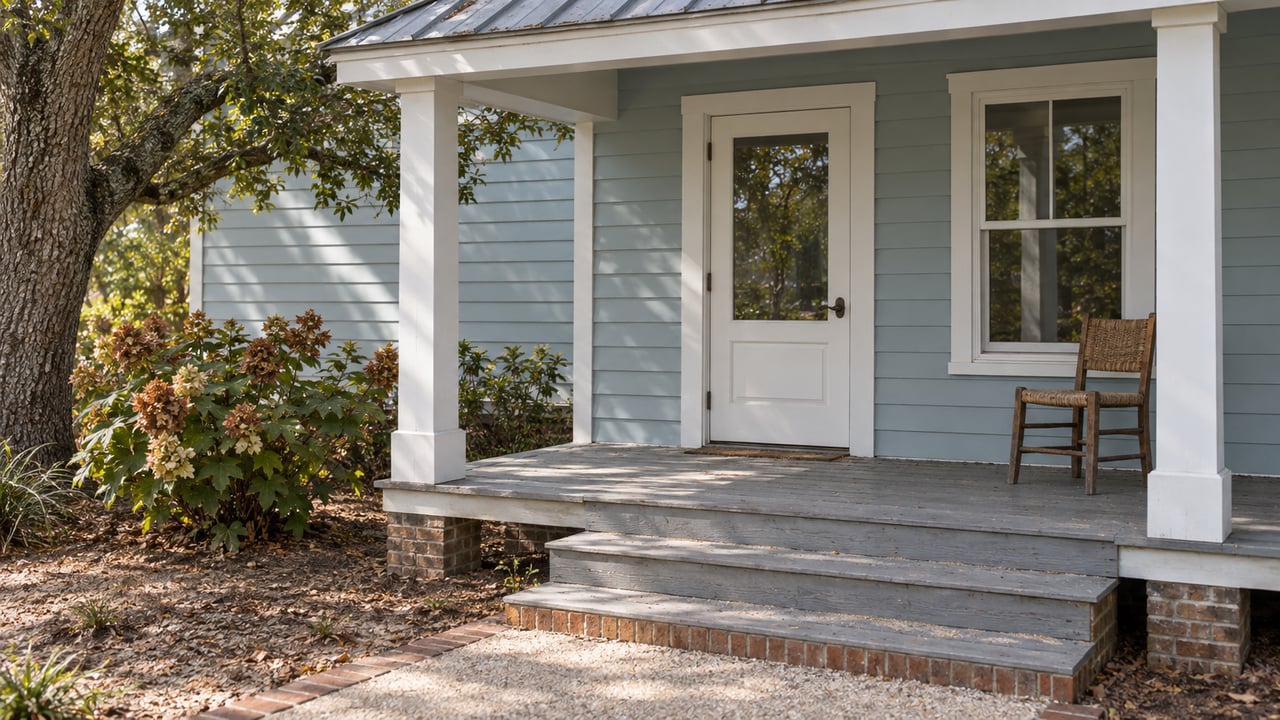
Fairhope’s village and cottage districts offer easy walks to cafes, galleries, and community events. Streets feel neighborly, with sidewalks, front porches, and pedestrian‑oriented spaces. You can live more car‑light, catch the farmers market, and meet friends for dinner without thinking about parking. If your happiness comes from convenience and a lively town rhythm, this setting fits well.
Home types and price patterns
Close‑in neighborhoods feature historic cottages, Craftsman bungalows, townhouses, and newer infill built to match the area’s scale. Small cottages or starter homes within walking distance often land in the low to mid five hundreds, while larger renovated cottages, infill homes, and townhomes commonly run in the mid to high five hundreds and up. Newer cottages and upscale townhomes near the heart of downtown can reach prices similar to some waterfront properties. These ranges are directional. Always confirm current pricing and supply via the local MLS.
Practical considerations and upkeep
- Smaller lots, simpler yards. You may spend less time on yard work compared with large bayfront lots.
- Guidelines and approvals. Some downtown or cottage areas include design or historic guidelines that shape exterior changes. Review any HOA or covenant rules, plus city design review where applicable.
- Parking and event activity. Expect more pedestrian and vehicle activity, plus occasional evening or weekend event sounds. Peak times can tighten on‑street parking.
- Utilities and stormwater. In cottage areas with small lots, drainage and grading matter. Check recent city stormwater improvements and confirm utility providers.
- Carrying costs. Factor homeowner’s insurance, property taxes, utilities, any HOA dues, and routine maintenance into your budget.
Which lifestyle fits you?
You might prefer the waterfront if you
- Value panoramic bay views and direct access for boating and fishing.
- Want privacy and a quieter daily pace.
- Are comfortable budgeting for higher maintenance, potential flood coverage, and dock or seawall care.
- See outdoor living as central to your routine.
You might prefer the village if you
- Want to walk to dining, arts, and community events.
- Prefer smaller lots and lower yard maintenance.
- Enjoy a social neighborhood feel with frequent public gatherings.
- Value architectural charm and convenience over water access.
Side‑by‑side tradeoffs
- Walkability: Downtown and cottage districts deliver daily convenience. Waterfront homes often require short drives for errands.
- Privacy and noise: Waterfront areas are generally quieter from retail activity, though boat traffic varies. Downtown brings more foot traffic and event energy.
- Maintenance: Waterfront owners manage salt‑air wear, docks, and shoreline structures. Village owners navigate design guidelines and parking dynamics.
- Access and commuting: Exact commute times vary by street. Some bayfront roads are narrower with slower access; some near‑bay parcels are close to downtown.
- Buyer pools and resale: Waterfront appeals to buyers seeking views and access, while walkable cottages draw lifestyle‑focused buyers. Each segment has its own seasonality and demand patterns.
What drives price in each setting
- Waterfront: Bay frontage, dock and boat lift capacity, elevation and flood mitigation, view corridors, lot size, and the age and quality of renovations.
- Village: Distance to downtown core, lot size, historic character, renovation quality, new construction finishes, and supply in the immediate micro‑neighborhood.
Smart due diligence steps
Use this checklist to compare options and avoid surprises:
- Visit target blocks at multiple times and days to gauge parking, noise, and activity.
- Ask your agent for current MLS comps and a tailored market analysis for your short list.
- Review FEMA flood maps, request any elevation certificate, and gather flood and wind insurance quotes early.
- Inspect docks, bulkheads, and lifts. Request permits and repair history for shoreline work.
- Confirm sewer versus septic and review recent servicing or permits. Ask about recent drainage upgrades.
- Request HOA and covenant documents. Check city design or historic guidelines for exterior changes.
- Calculate total monthly costs, including mortgage, taxes, homeowner’s insurance, flood insurance, HOA dues, utilities, and a realistic maintenance reserve.
- If rental income is part of your plan, confirm local and HOA short‑term rental rules before you rely on projections.
- If schools matter for your move, verify school assignments with Baldwin County Schools.
How to choose with confidence
Start with your non‑negotiables. If mornings on a dock and evening sunsets are your vision, focus on bayfront streets that balance access with privacy. If you want to walk to dinner, arts events, and the farmers market, look inside the most walkable cottage blocks and nearby infill areas.
Then, align the budget with ownership realities. Waterfront ownership often carries higher insurance and maintenance, while village homes trade some quiet for daily convenience. Ask a local agent to price the all‑in cost of specific addresses, not just the purchase price. That side‑by‑side view makes the decision clearer and helps you act quickly when the right home appears.
Ready to explore both paths in person? Schedule a neighborhood tour and a data‑driven market review with Andrea Kaiser Shilston & Eva Wilmott. Schedule a Private Consultation and get a plan tailored to how you want to live.
FAQs
What is the main difference between Fairhope waterfront and village living?
- Waterfront centers on bay views, privacy, and boating access, while village living prioritizes walkability to shops, dining, and community events.
How do I estimate flood insurance for a Fairhope waterfront home?
- Check FEMA flood maps, request an elevation certificate, and get quotes from insurers early since premiums depend on zone, elevation, value, and mitigation.
What home styles are common on Fairhope’s bayfront?
- Expect a mix of modest mid‑century cottages, elevated bungalows, and larger custom bayfront estates, sometimes with private docks and lifts.
What should I budget for waterfront maintenance?
- Plan for more frequent exterior upkeep due to salt air, plus potential seawall, dock, and lift maintenance, along with standard home systems.
Are short‑term rentals allowed near downtown Fairhope?
- Rules vary by city and HOA, so verify local regulations and any community covenants before counting on rental income.
How do schools factor into choosing a Fairhope neighborhood?
- If schools are part of your decision, verify current school assignments through Baldwin County Schools for each specific address.