Trying to choose between Daphne and Spanish Fort? You’re not alone. Both offer a relaxed Eastern Shore lifestyle with bay breezes, neighborhood parks, and quick I‑10 access to Mobile. In this guide, you’ll see how they compare on housing, schools, commutes, taxes, and outdoor access so you can move forward with confidence. Let’s dive in.
Quick take: How they differ
Size and setting
- Daphne is the larger, more established city at about 30.7k residents and sits just off I‑10, roughly 11 miles east of Mobile. It offers a mix of older in‑town streets and suburban neighborhoods. (U.S. Census QuickFacts)
- Spanish Fort is smaller at about 11.1k residents and has grown quickly with newer subdivisions and master‑planned communities near major retail and I‑10. (U.S. Census QuickFacts)
Home prices and styles
- Price snapshot: recent market trackers place typical single‑family values in the mid‑$300Ks in Daphne and often mid‑to‑low $400Ks in Spanish Fort depending on neighborhood and month. Use current MLS data for exact medians when you decide.
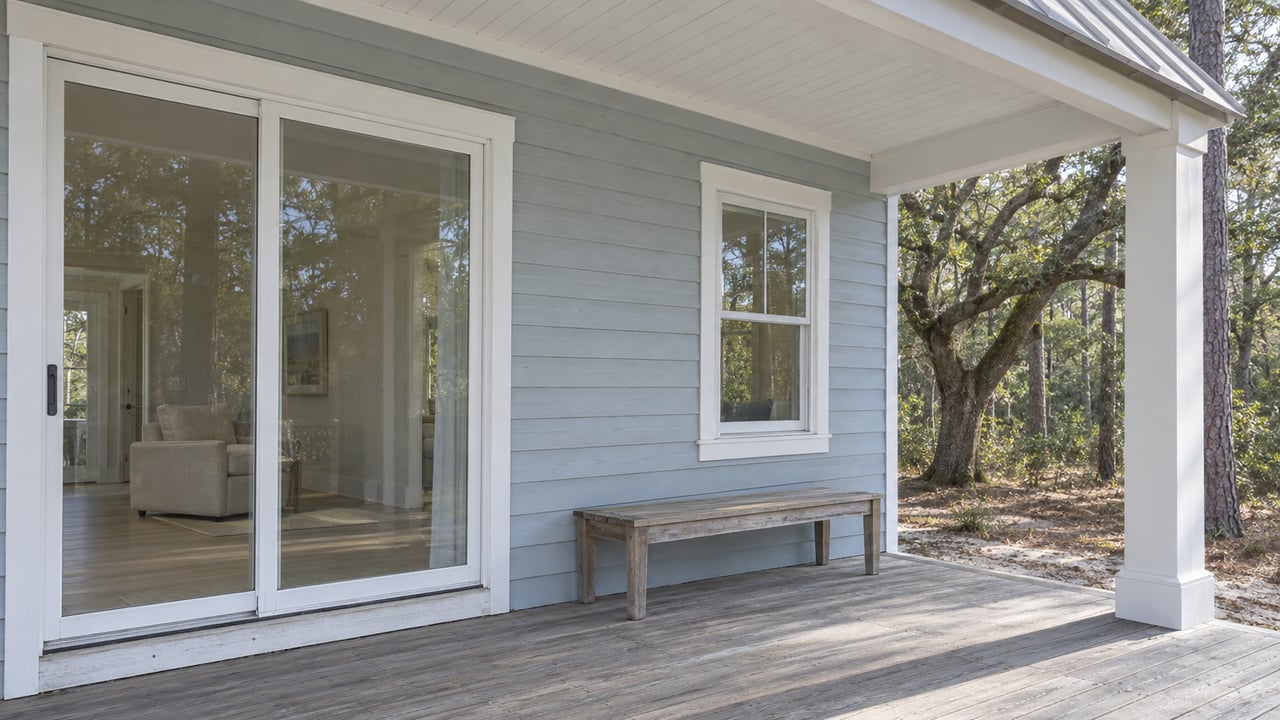
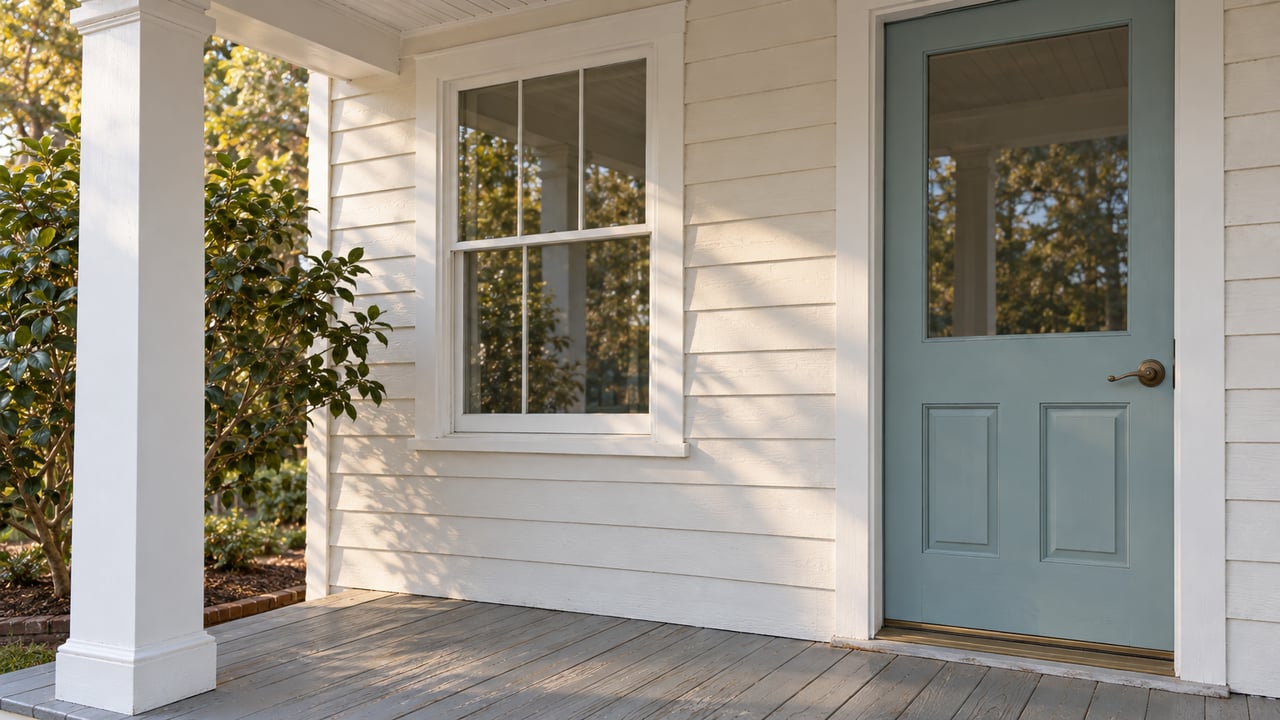
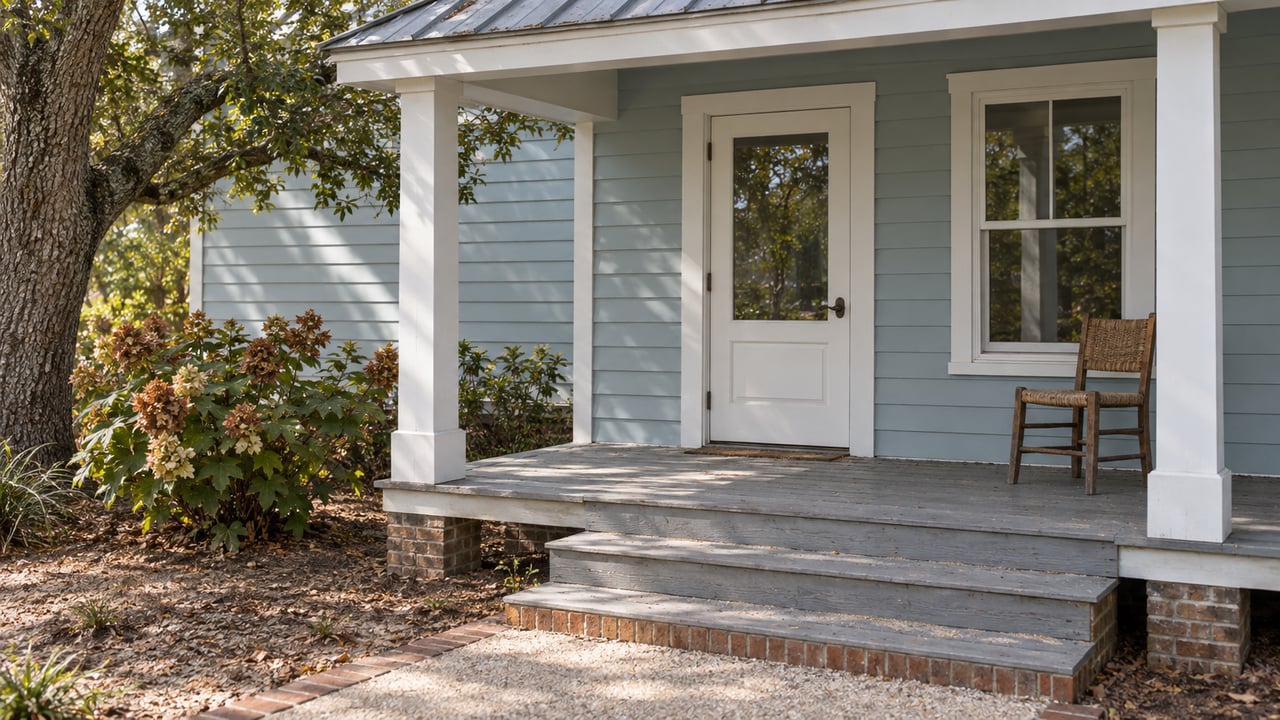
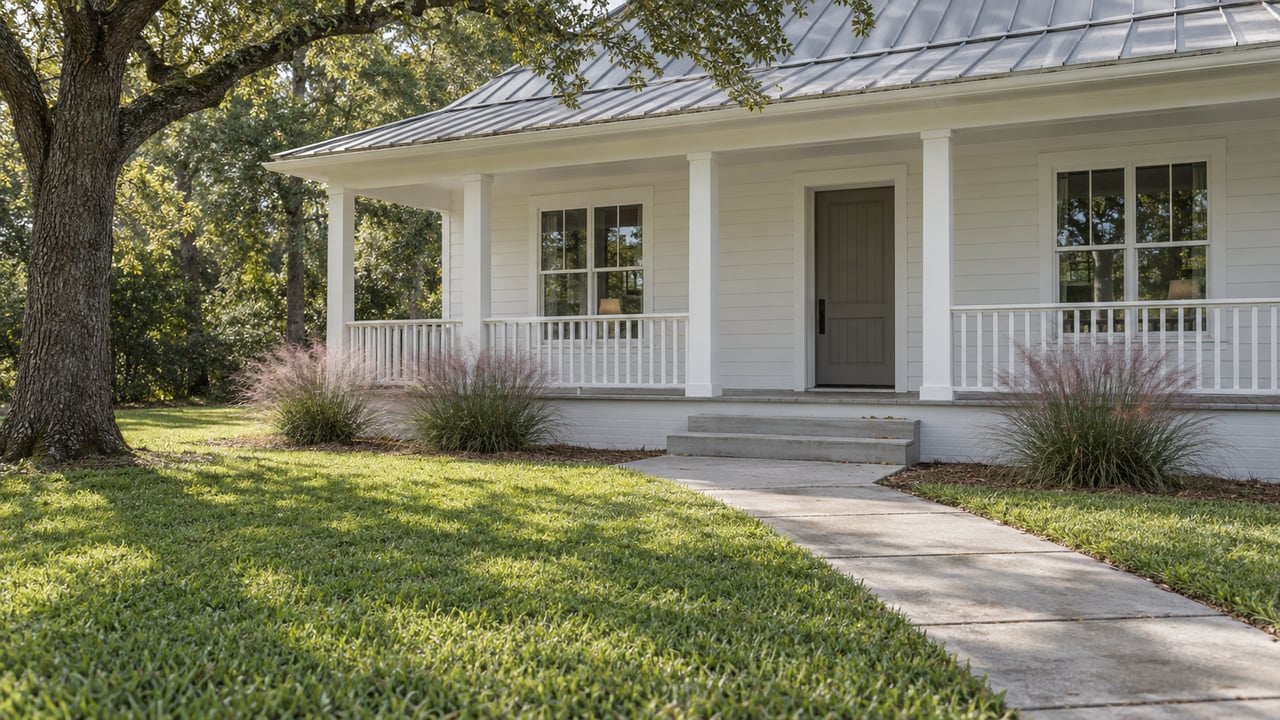
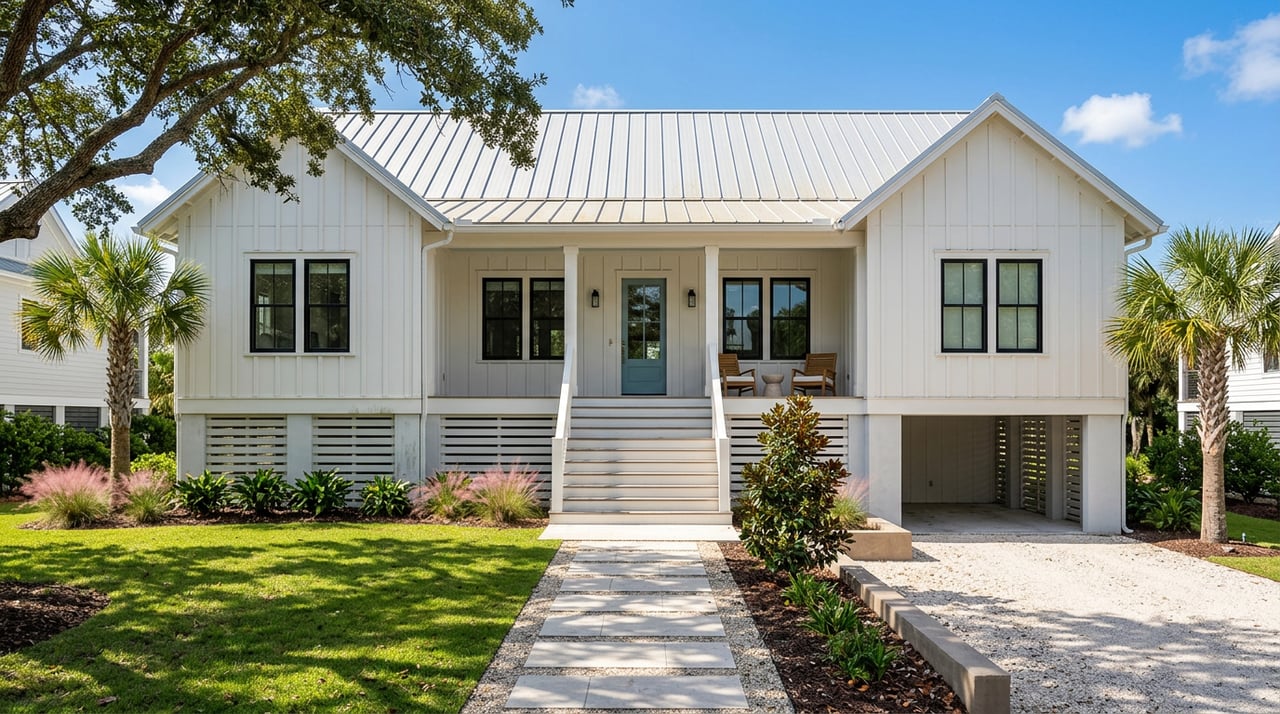
- What you’ll find: Daphne ranges from downtown cottages and mid‑century ranch homes to 1990s–2010s subdivisions and newer infill. Spanish Fort skews newer overall with planned communities, golf neighborhoods, and pockets of waterfront or lakeside property.
Outdoors and bay access
- Spanish Fort gives you direct access to the Mobile‑Tensaw Delta. Visit the boardwalks, fishing pier, and boat ramp at Meaher State Park, and explore additional public launches listed by the City of Spanish Fort.
- Daphne offers a true bayfront feel in parts of the city, with community parks and public water access points such as the boat ramp at May Day Park.
Schools and everyday life
Public school options
Both cities are served by Baldwin County Public Schools. Common feeder patterns include:
- Spanish Fort: Spanish Fort Elementary, Rockwell Elementary, Stonebridge Elementary, Spanish Fort Middle, and Spanish Fort High.
- Daphne: Daphne Elementary, W.J. Carroll Intermediate, Daphne Middle, and Daphne High, which offers IB and AP program options.
Attendance zones are address‑specific. Always confirm exact assignments with the district’s list of schools.
Parks, shopping, and services
- Parks and trails: Meaher State Park is a regional highlight for boardwalks, birding, and delta views. Daphne’s in‑town parks, green spaces, and bayfront overlooks create an easy outdoor routine.
- Shopping and dining: Spanish Fort concentrates retail near I‑10 at the Eastern Shore Centre, while Daphne’s downtown and corridor shopping provide everyday convenience and community events.
- Healthcare access: You’ll find medical offices across the Eastern Shore, with major hospital services available throughout Baldwin County and in Mobile.
Commute and connectivity
Drive times and key routes
Average commute times are similar. Daphne’s mean travel time is about 25 minutes and Spanish Fort’s is about 26 minutes, which fits a typical Eastern Shore suburban commute. (U.S. Census QuickFacts)
Primary routes include I‑10, the Causeway along US‑90/98, and local connectors. Expect peak‑hour slowdowns near I‑10 ramps and Causeway bottlenecks. If commuting is a priority, do a test drive during your usual hours and compare neighborhood access points. The City of Daphne’s location notes offer useful context.
Taxes, insurance, and risk
Property tax basics
Alabama’s residential property (Class III) is assessed at 10 percent of market value for ad valorem taxes. Your total bill then depends on the combined millage for county, city, schools, and any special districts. Review details from the Alabama Department of Revenue and pull parcel‑specific records with the Baldwin County Revenue Commission.
Flood and wind coverage
Mobile Bay and the Gulf Coast experience tropical systems. Historical events show that storm surge can flood low‑lying shoreline areas, so treat flood risk as routine due diligence for bayfront or low‑elevation properties. See NOAA’s surge context in this historical summary.
- Standard homeowners policies exclude flood. Many properties near the bay or delta may require an NFIP or private flood policy if financed.
- Premiums vary by FEMA flood zone, elevation, and the NFIP’s Risk Rating 2.0. Ask for an elevation certificate and obtain early quotes.
- Wind and hurricane deductibles are common on the Gulf Coast. Ask carriers about mitigation credits for features like roof straps and hurricane‑rated openings.
Which fits your life?
Use this quick lens to focus your search. You’ll find good options in both cities.
- If you value newer planned communities and amenity clusters: Spanish Fort often delivers with master‑planned neighborhoods, golf options, and sidewalks near major retail.
- If you prefer an established city feel with a variety of home ages and styles: Daphne offers in‑town cottages, suburban subdivisions, and bay‑influenced pockets.
- If boating and delta access are top priorities: Spanish Fort places you close to public ramps and the Mobile‑Tensaw Delta, with Meaher State Park nearby.
- If budget flexibility matters: Daphne commonly trends a bit lower on typical pricing while still offering a wide range from entry level to premium waterfront.
- If school proximity is a driver: Both cities feed Baldwin County Public Schools. Confirm the address‑specific zone and compare programs and school commute times.
Buyer checklist for both cities
- Confirm the exact school assignment for your address with the district’s school list.
- Pull the parcel’s tax record and current bill through the Baldwin County Revenue Commission.
- Review FEMA flood maps and request an elevation certificate for bayfront or low‑elevation homes. Get early quotes for homeowners, wind, and flood coverage.
- Test your commute during peak hours. Note Causeway traffic and I‑10 on‑ramps.
- Ask your agent for current MLS snapshots to compare neighborhood‑level pricing and days on market.
- Walk the parks and water access points that matter to you, including Meaher State Park and Spanish Fort’s public attractions and launches.
Ready to explore both sides of the Eastern Shore with a local advisor who knows the nuances of neighborhoods, flood zones, and value drivers? Reach out to Andrea Kaiser Shilston & Eva Wilmott for a private tour plan and a data‑driven pricing read on your short list.
FAQs
What are the main differences between Daphne and Spanish Fort?
- Daphne is larger and more established with a wide mix of home ages and styles. Spanish Fort is smaller, has grown rapidly, and offers many newer planned communities near I‑10 and major retail.
How do typical home prices compare between the two cities?
- Market snapshots commonly show Daphne in the mid‑$300Ks and Spanish Fort in the mid‑to‑low $400Ks, with wide ranges in both. Confirm current MLS data for exact figures when you buy.
Are commute times similar for Mobile workers?
- Yes. Average commutes are about 25–26 minutes across both cities, though peak‑hour Causeway and I‑10 ramps can add time. A test drive at your normal hours is best.
How do schools work in Daphne and Spanish Fort?
- Both feed into Baldwin County Public Schools. Zoning is address‑specific, and programs vary by campus, so verify assignments with the district’s published list of schools.
What should I know about taxes and insurance before I buy?
- Alabama assesses residential property at 10 percent of market value, with local millage applied. Flood is excluded from standard policies, and wind or hurricane deductibles are common. Check parcel tax records and get insurance quotes early.
Where can I access the water without a private dock?
- Try Meaher State Park’s ramp and pier in Spanish Fort, plus other city‑posted launches. In Daphne, public access points like May Day Park offer a convenient bayfront experience.