Dreaming about a cottage with deep porches, mature trees, and a slower pace near the bay? Buying in Historic Montrose can feel special from the start, but it also comes with questions you should answer before you write an offer. If you are considering a cottage in Montrose, this guide will help you understand the housing style, historic-review rules, flood and insurance factors, and the maintenance issues that matter most so you can move forward with confidence. Let’s dive in.
Why Historic Montrose Stands Out
Historic Montrose is one of Baldwin County’s designated historic and preservation districts. That matters because the area’s character is protected through county review of certain exterior changes, renovations, relocations, and demolition requests under the Architectural Review Board standards.
According to the National Register nomination for Montrose, the district developed as an entirely residential village known for live oaks, pines, spacious lots, bay vistas, and a strong 19th-century atmosphere. The same report notes that Montrose sits on one of the higher spots along the Gulf Coast, which helps explain why elevation can vary from one parcel to another even within the same community.
For you as a buyer, that combination often means charm, setting, and a more residential feel, but also more homework before closing. In Montrose, two cottages that look similar from the street may differ in elevation, flood exposure, exterior restrictions, and renovation flexibility.
What Montrose Cottages Usually Look Like
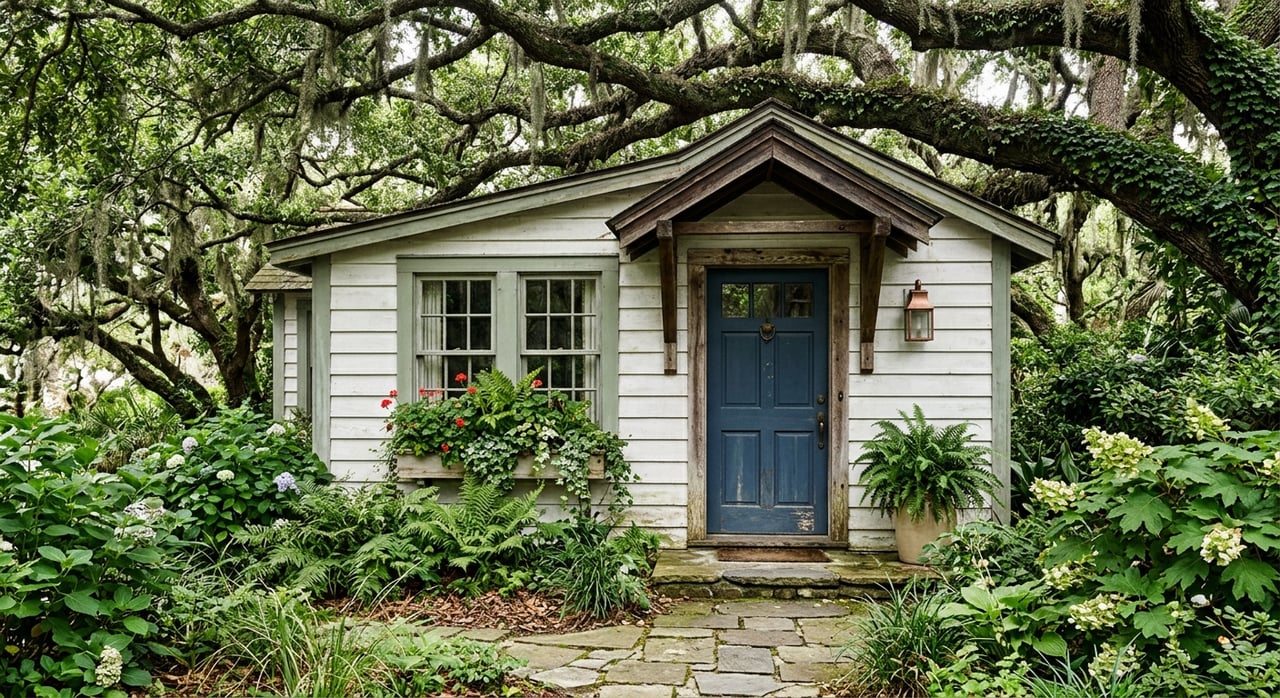
One of Montrose’s most recognizable home types is the Gulf Coast vernacular, often called the Creole Cottage. The National Register nomination describes these homes as typically one to one-and-a-half stories with clapboard siding, gabled roofs, full-width recessed porches, five-bay facades, and central doors with transoms and sidelights.
That classic look is a big part of the appeal. If you are drawn to a historic cottage here, you may be buying as much for the porch, proportions, and sense of place as for square footage.
Expect Variety, Not One Style
Montrose is not made up of one uniform housing type. The historic record also identifies board-and-batten, brick, stone, hipped-roof, screened-porch, and dormered homes, along with later growth around the village outskirts.
In practical terms, you should expect a mix of original cottages, altered historic homes, and later infill rather than a perfectly matched streetscape. That can be a plus if you want character and individuality, but it makes due diligence more important because age, condition, and prior updates can vary widely from property to property.
Smaller Footprints Are Common
Many Montrose homes were originally built as summer homes, and the architecture tends to emphasize porches, shade, and outdoor living. That often translates into smaller footprints and room layouts that feel different from newer open-concept homes.
If you love historic homes, this may be exactly what you want. If you need expansive living areas or a highly modern layout, you will want to look closely at whether the interior has already been updated or whether future changes will be needed.
Historic Rules You Should Know Before Buying
If a property is inside the historic district, exterior projects may require extra planning. Under Baldwin County’s standards, a Certificate of Appropriateness is generally required before building or demolition permits can be issued for exterior changes within the district.
That does not mean you cannot improve the property. It means exterior work usually needs to respect the district’s architectural character and go through the required review process.
What the County Focuses On
The county standards emphasize compatibility with the historic setting. That includes preserving original roof form, pitch, and overhang, maintaining window and door proportions, and ensuring additions or new construction blend with the district’s scale, materials, setbacks, and colors under the county review guidelines.
For you, this can affect projects such as:
- Replacing windows or exterior doors
- Changing roof shape or materials
- Adding onto the home
- Building new exterior structures
- Demolishing or relocating an existing structure
What Usually Does Not Trigger Review
Ordinary maintenance or repair that does not materially change the exterior appearance does not require a certificate. The board’s authority is also limited to the exterior rather than the interior design or layout.
That is good news if you want to modernize kitchens, bathrooms, or interior flow. In many cases, you can update the inside for current living without historic-review issues, as long as your project does not create exterior changes that fall under county review.
Flood Zones, Elevation, and Insurance Matter
Because Montrose is a coastal community, flood due diligence is essential even when a property sits higher than you might expect. Baldwin County directs property owners to the FEMA Flood Map Service Center for official flood maps, and the county notes that its floodplain ordinance applies in unincorporated areas.
For projects in Special Flood Hazard Areas, the county requires compliance with floodplain rules and uses elevation certificates in the permitting process. This is one reason parcel-specific research matters so much in Montrose.
Flood Insurance May Be Required
FEMA states that flood insurance is required for buildings in a Special Flood Hazard Area when the mortgage is federally backed. FEMA also states that standard homeowners insurance does not cover flood damage.
So before you buy, confirm:
- Whether the parcel is in a Special Flood Hazard Area
- Whether flood insurance will be required by your lender
- Whether an elevation certificate is available
- Whether past improvements may affect future permitting
Bay-Front and Bluff-Area Concerns
Baldwin County’s flood hazard management plan identifies coastal bank erosion as an ongoing issue that can threaten homes and infrastructure. If you are considering a bay-front or bluff-side property, elevation, drainage, and setback awareness become even more important.
A pretty view is only part of the equation. You also want to understand how the site performs over time and whether the lot’s location creates added maintenance or permitting considerations.
Older Cottage Systems Need Close Review
A historic cottage can be full of character, but age affects cost of ownership. The Insurance Information Institute’s home buyers insurance guide notes that older homes may need updates to heating, plumbing, wiring, and roofing, and roof age and condition can affect insurability and coverage terms.
That makes system age one of the most important parts of your due diligence. Two charming cottages may have very different ownership costs depending on what has already been replaced.
Ask These Questions Early
Before or during inspections, make sure you understand:
- How old the roof is
- Whether plumbing has been updated
- Whether electrical service and wiring have been modernized
- The age and condition of the HVAC system
- Whether prior work was permitted when required
These details matter for both your budget and your ability to secure homeowners insurance on acceptable terms.
Tree Canopy Adds Beauty and Upkeep
Montrose’s live oaks and mature trees are part of what gives the district its identity. The National Register report specifically points to the area’s canopy of live oaks and pines, which helps create the setting many buyers love.
But mature trees also come with responsibilities. Alabama Extension warns that aging trees can accumulate issues, and hurricane conditions can bring trees down onto roofs or power lines.
Budget for Ongoing Maintenance
If you are buying on a wooded lot, you should plan for more routine exterior care than you might expect in a newer subdivision. That can include:
- Tree trimming and health assessments
- Gutter cleaning
- Roof debris removal
- Storm-prep work before major weather events
This is not necessarily a drawback. It is simply part of owning a home in a mature coastal setting where landscape character is a major part of the appeal.
A Smart Buyer Checklist for Montrose
Before you move forward on a cottage in Historic Montrose, try to answer these five questions clearly:
- Is the property inside the historic district? Confirm whether exterior work will be subject to review.
- What exterior changes have already been made? Look at whether prior additions or alterations appear compatible with the district.
- Is the parcel in a flood zone? Verify current FEMA mapping and lender requirements.
- How old are the major systems? Focus on roof, plumbing, electrical, and HVAC.
- What maintenance comes with the lot? Pay special attention to trees, drainage, and storm exposure.
A careful review on the front end can save you time, money, and stress after closing.
Buying With a Local Strategy
A cottage purchase in Montrose is rarely just about bedrooms and baths. You are also buying into a historic setting, a specific lot condition, and a set of exterior rules that can shape your future plans.
That is why local guidance matters. When you understand the district boundaries, review process, flood questions, and condition issues before you commit, you can buy the charm you want without being surprised by the realities of ownership.
If you are considering a cottage in Montrose or anywhere along Baldwin County’s Eastern Shore, Andrea Kaiser Shilston & Eva Wilmott can help you evaluate location, property condition, and long-term fit with the care of a truly local advisory team.
FAQs
What makes a cottage in Historic Montrose different from a newer home in Baldwin County?
- A Montrose cottage may offer historic character, porch-centered design, and a mature setting, but it can also involve exterior review rules, older systems, and more detailed maintenance planning.
What exterior changes require review for a Historic Montrose property?
- In the district, many exterior changes, renovations, relocations, and demolitions generally require a Certificate of Appropriateness before permits can be issued, while ordinary maintenance that does not materially change exterior appearance typically does not.
What interior changes can you make to a Historic Montrose cottage?
- Baldwin County’s Architectural Review Board authority is limited to the exterior, so interior layout and design changes are generally not regulated by the historic review standards.
What flood insurance questions should you ask before buying in Montrose?
- You should confirm whether the parcel is in a Special Flood Hazard Area, whether your lender will require flood insurance, and whether an elevation certificate is available.
What systems should you inspect closely when buying an older cottage in Montrose?
- Pay close attention to the age and condition of the roof, plumbing, electrical, and HVAC systems because these items can affect both repair costs and insurance options.
What maintenance should you expect on a wooded Montrose lot?
- On a wooded lot, you should plan for ongoing tree care, gutter cleaning, roof debris removal, and storm-prep work, especially during hurricane season.