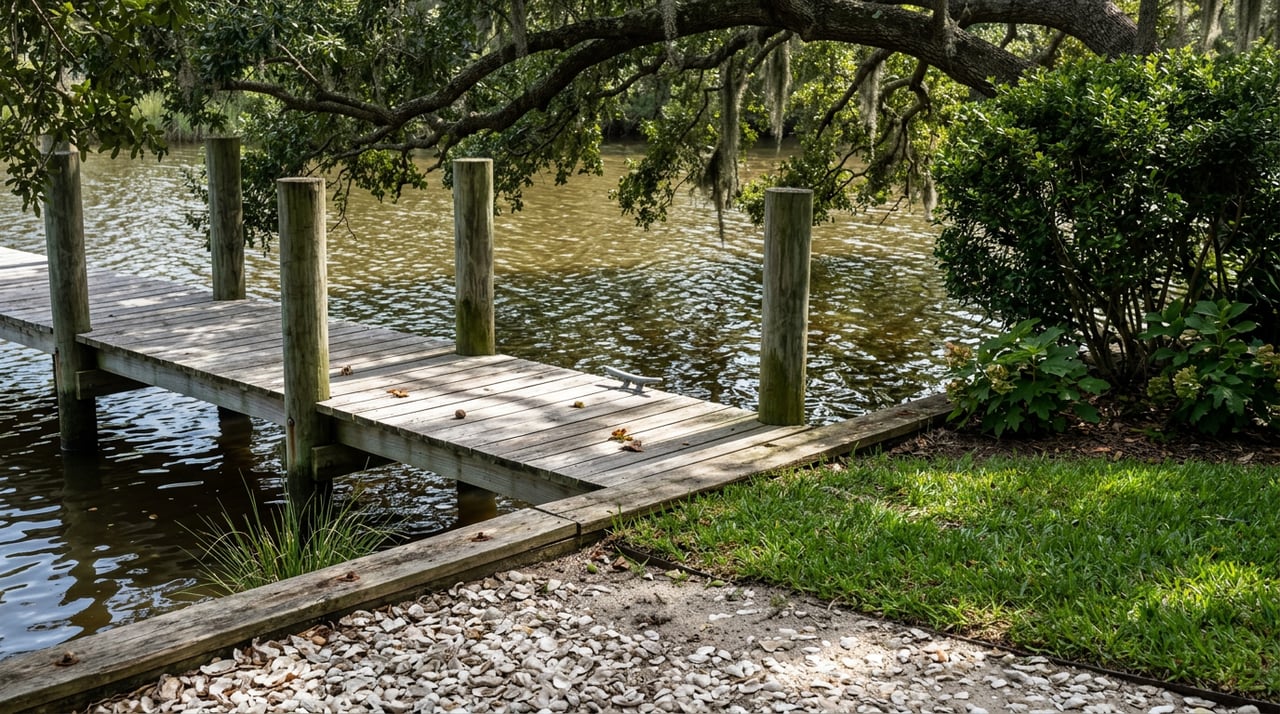
Imagine drifting past weathered boathouses beneath a tunnel of live oaks as sunlight breaks over glassy water. In Magnolia Springs, days begin on the river and end on a porch under the trees. This is a place that still celebrates its river history, including the charming mail-by-boat tradition noted in the town’s own history. You get quiet, small-town character with easy access to the coast and nearby cities. In this guide, you’ll learn what life feels like here, how homes and lots are shaped by local rules, and smart steps to plan your move. Let’s dive in.
River life, every day
The Magnolia River is the community’s backbone. You can paddle, fish, or idle to a neighbor’s dock in a skiff. The town describes the river as an Outstanding Alabama Water (OAW), which brings higher protections and reflects how strongly residents value clean water and low-impact shoreline uses. You can read more about the river’s role and OAW status on the town’s Magnolia River page.
Volunteer monitoring has been a local point of pride. According to Alabama Water Watch, community-led testing helped document conditions and support protections. Like any natural waterway, conditions can change at times. Before swimming or boating after heavy rain, it is wise to check current local notices and practice common-sense caution.
The river also ties Magnolia Springs to the larger Weeks Bay and Mobile Bay estuary. The Weeks Bay Watershed drains into Mobile Bay, which makes Magnolia Springs part of a broader, ecologically important system. The Mobile Bay National Estuary Program’s watershed plan offers helpful context for how local choices protect regional water quality.
Neighborhood character and charm
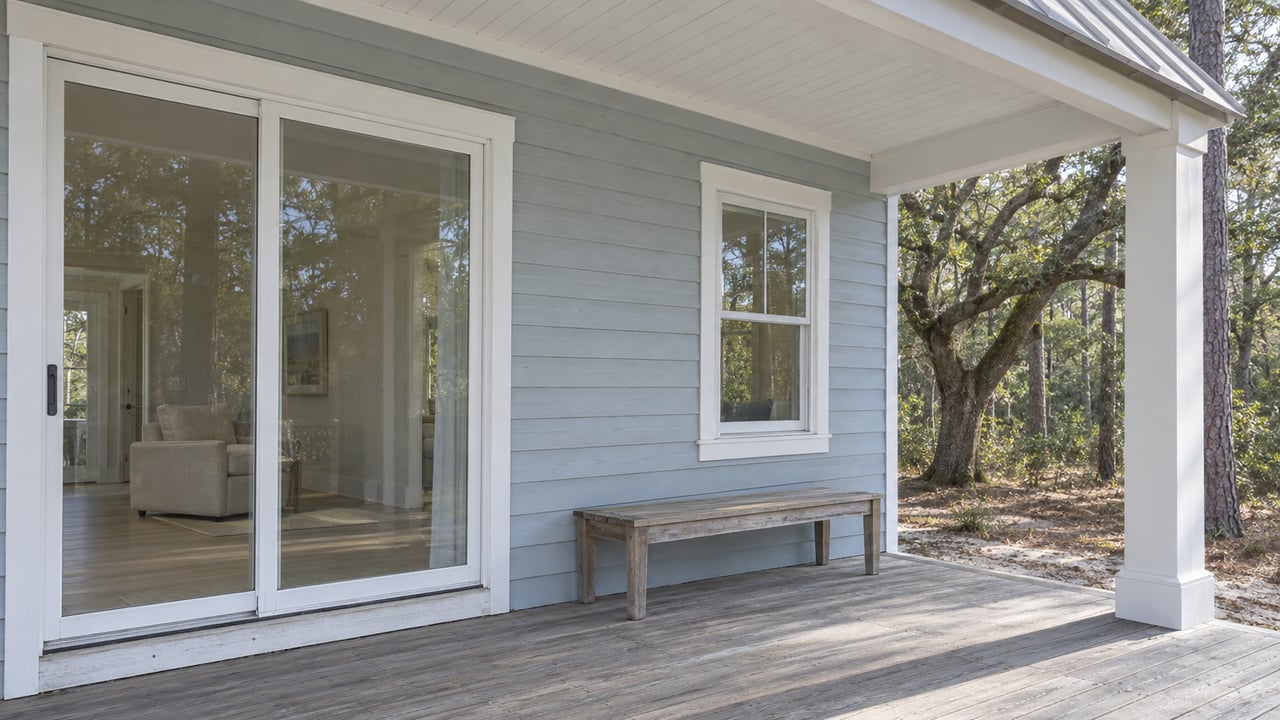
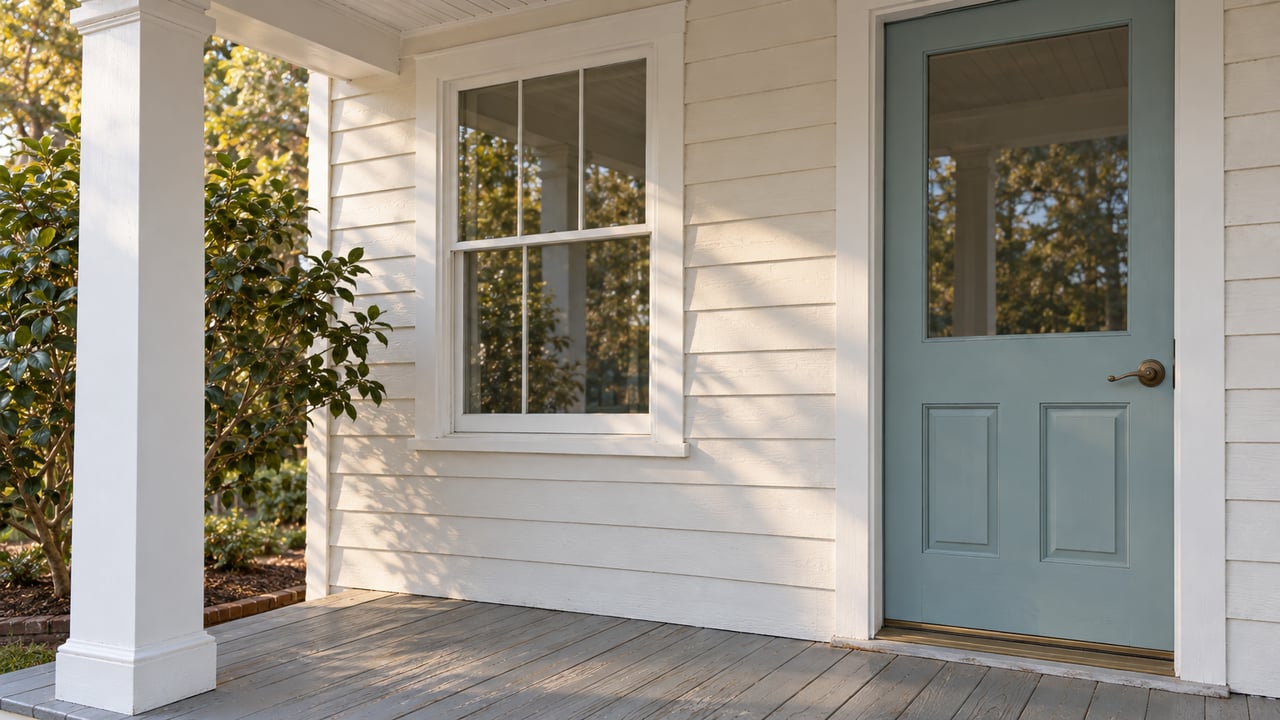
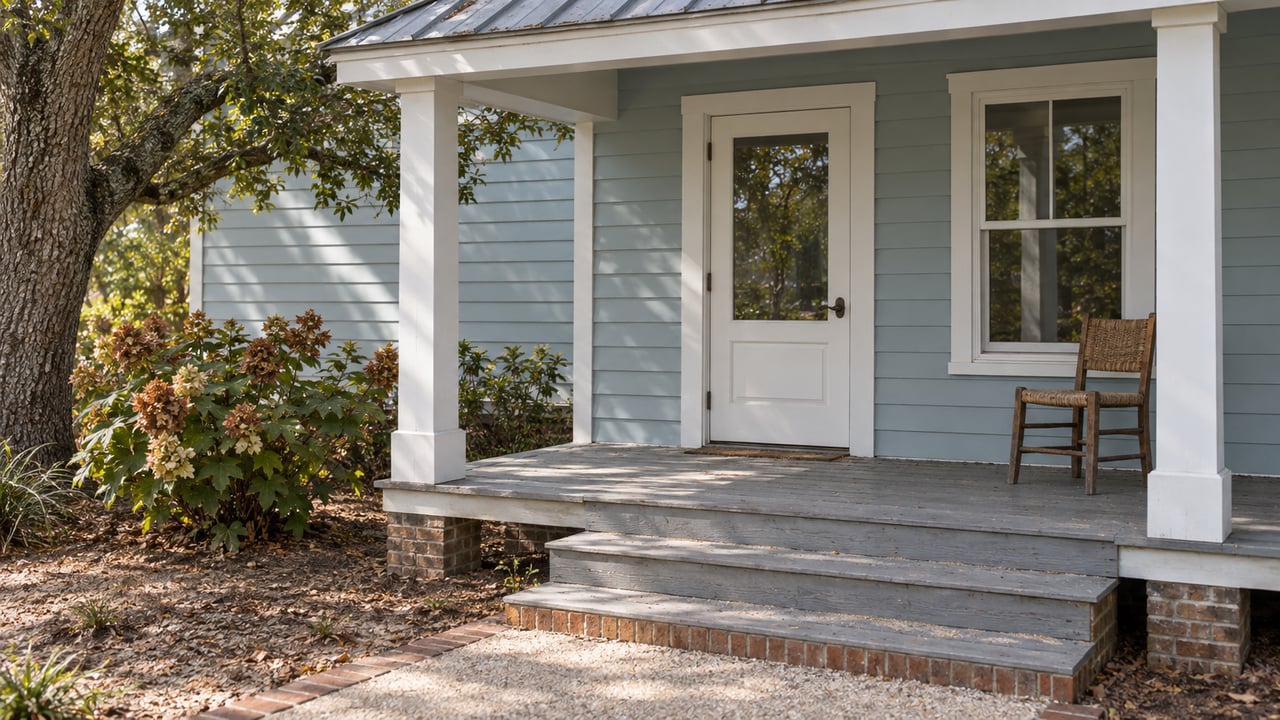
If you love shady lanes and storybook cottages, you will feel at home near the historic core around Oak Street. The town’s history highlights century-old oaks, narrow streets, and a collection of cottages and small inns that read as a true village rather than a modern subdivision. The scale is intimate, with porches close to the street and canopies that frame evening walks.
You also get convenience without losing the quiet. The town notes that both Mobile and Pensacola are under an hour away, so you can enjoy river life while staying close to airports, healthcare, and dining.
Homes and lots: what to expect
You will see a mix shaped by the river and history:
- Historic cottages and bungalow-style homes near Oak Street.
- Riverfront cottages, docks, and small boathouses along the banks.
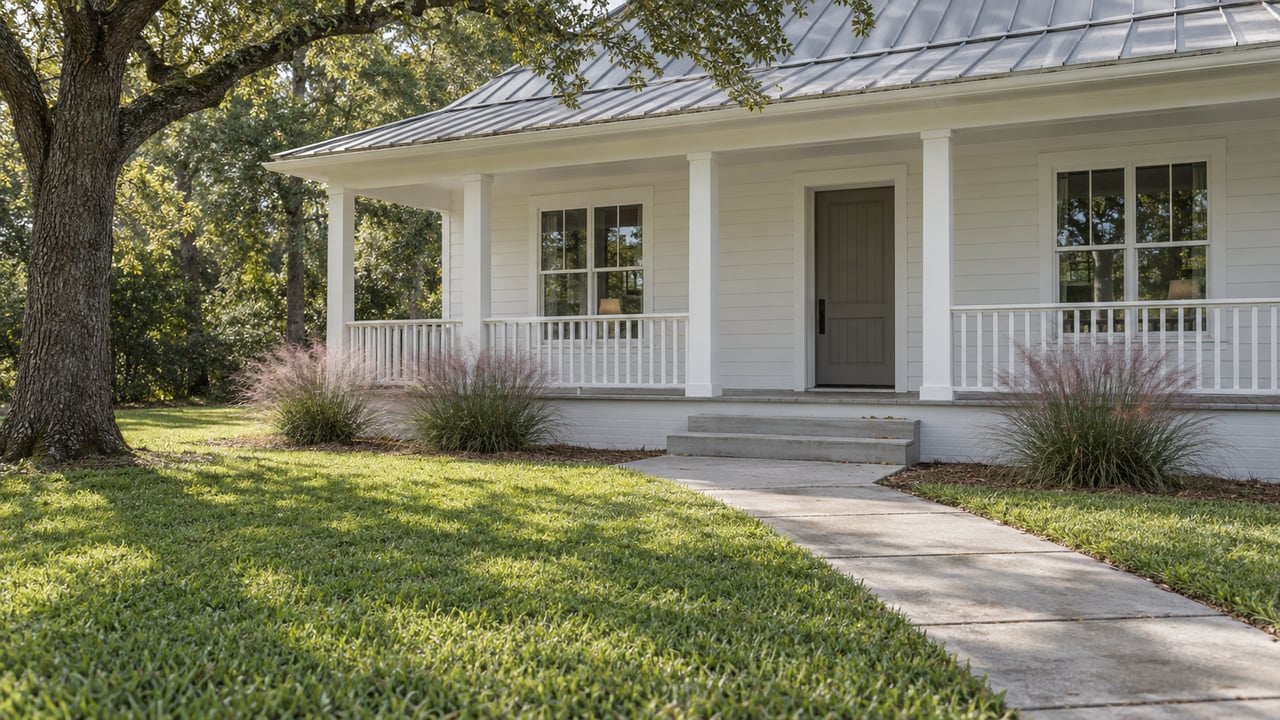
- A few bed-and-breakfasts and newer single-family homes farther inland.
Town Subdivision Regulations influence how new lots are created and help explain why some areas feel spacious. Where neither public water nor centralized wastewater is provided, the minimum lot size is 30,000 square feet with a minimum width of 120 feet. Where either public water or centralized wastewater is available, the minimum lot size is 20,000 square feet with a minimum width of 100 feet. You can review these standards in the town’s Subdivision Regulations. Historic riverfront and Oak Street lots may be smaller because many predate today’s rules.
The town also adopted a moratorium on major residential subdivision activity (April 17, 2024) while it updates regulations. That means large new developments are not moving forward quickly. You can see the moratorium resolution in the town’s records.
Access, parks, and events
Public use of the river is managed locally. The town has policies that govern river access points, parks, and street closures for events. If you are picturing big public gatherings on the water, know that permits and reservations may be required for organized use. Check the town’s Document Library for policies and procedures.
Community life is active and neighborly. The town calendar has featured events like a spring Tour of Homes and “An Evening of Southern Charm.” These gatherings showcase local architecture, gardens, and the river culture that defines Magnolia Springs. For dates and updates, visit the town’s Magnolia River page.
Practical planning for buyers
Before you fall in love with a dock view, line up a few key checks. These steps help you buy with confidence and protect your investment.
- Confirm waterfront rights. Ask your title company and agent to verify deeded access and any existing permits for docks or boathouses. Rights can vary by parcel.
- Verify utilities and septic. Lot size and service availability influence what you can build and your long-term costs. Larger minimum lots may apply where public water and sewer are not both available.
- Check flood maps and rules. Review FEMA flood maps and the town’s Flood Damage Prevention ordinance. Budget for flood insurance and elevation requirements if applicable.
- Understand access policies. River access and park use are managed by town policies. If you plan events or rentals that rely on public access, review the rules in advance.
- Plan for stewardship. Magnolia Springs’ OAW status and watershed context mean low-impact practices are expected. Shoreline clearing, bulkheads, or discharges will face scrutiny and permitting requirements.
A day well spent
Start with a sunrise paddle from a quiet landing. Stroll Oak Street’s shaded lanes after breakfast. Cruise to a friend’s pier by late afternoon and catch golden light filtering through the oaks. In spring, camellias and magnolias frame porches, and the community comes out for house tours and seasonal events. You get a sense of place that is hard to manufacture and easy to love.
Mobile, Pensacola, and beyond
Living in Magnolia Springs gives you a peaceful base with quick access to the region. The town notes that Mobile and Pensacola are under an hour away, which keeps travel simple for business, health services, and flights.
Ready to explore your options?
Whether you are drawn to a historic cottage under the oaks or a riverfront home with a boathouse, local insight matters. You deserve clear guidance on lot rules, flood considerations, and waterfront rights, plus polished marketing if you are selling. For thoughtful, full-service representation backed by local roots and global reach, connect with Andrea Kaiser Shilston & Eva Wilmott. We are here to help you plan the right move at the right pace.
FAQs
What is daily life like in Magnolia Springs, AL?
- Expect a river-first routine with kayaking, small-boat cruising, and shady walks beneath live oaks, plus organized community events managed by the town.
What types of homes are common in Magnolia Springs?
- You will find historic cottages near Oak Street, riverfront homes with docks or boathouses, and newer single-family homes on larger inland lots.
How do lot-size rules affect building in Magnolia Springs?
- Minimum lot sizes for new subdivisions range from about 20,000 to 30,000 square feet depending on water and wastewater service, which shapes density and buildability.
What should buyers know about waterfront rights in Magnolia Springs?
- Dock and boathouse rights are not guaranteed with every parcel. Ask for a title search, permit history, and confirmation of any deeded access before you buy.
Are public river access points open to everyone anytime?
- Public access exists, but use is managed by town policy. Events and organized activities may require permits or reservations; check current rules before planning.
How close is Magnolia Springs to Mobile and Pensacola?
- The town notes both cities are under an hour away, so you can enjoy quiet river living with convenient access to airports, services, and regional amenities.