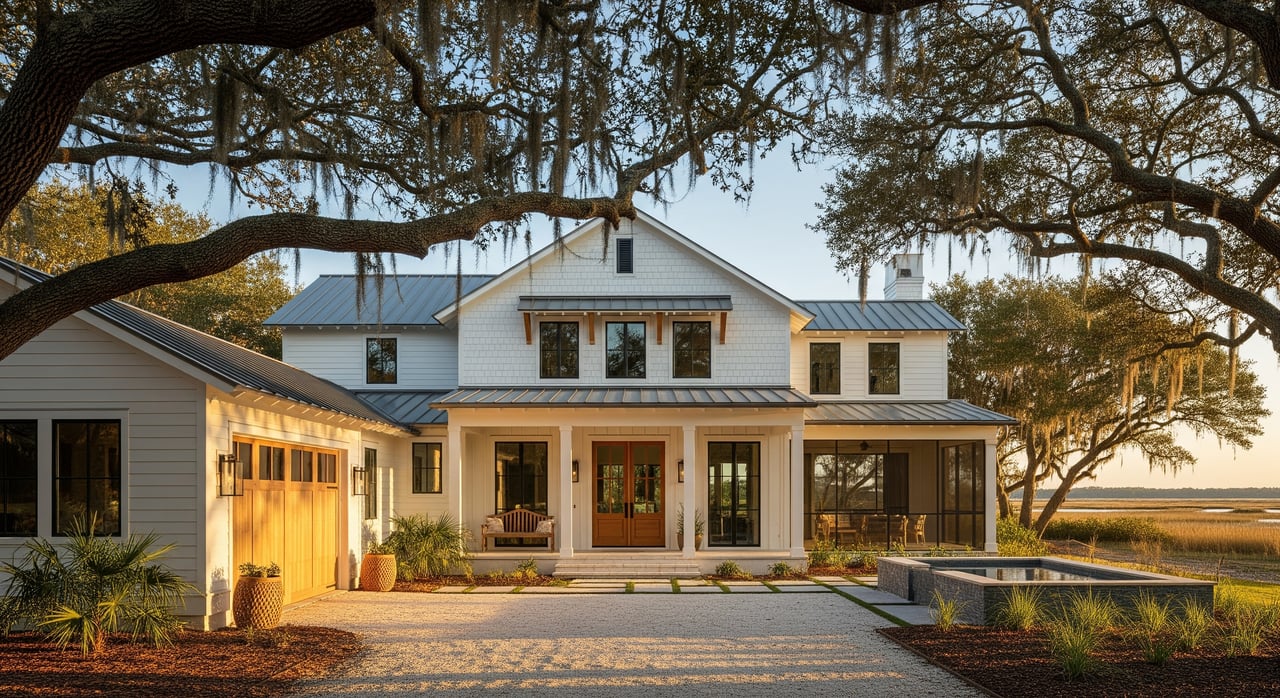
Thinking about building a new home in Foley? You want the coastal lifestyle without surprises, from permits and flood zones to contracts and finish selections. In this guide, you’ll learn the key steps to protect your budget and timeline, what to inspect at every stage, how warranties work, and why having your own representation matters. Let’s dive in.
Check permits and licensing first
Before you fall in love with a floor plan, verify the basics. The City of Foley Building and Inspections office issues permits, conducts municipal inspections, and provides Certificates of Occupancy. If the property sits outside city limits, Baldwin County’s permitting office is your point of contact. Confirm which jurisdiction applies to your lot.
Ask the builder for proof of active permits attached to your specific lot and home. Permits and inspection records create the official trail that your structural, electrical, plumbing, and mechanical work passed required checks. Missing permits can delay closing or create resale issues later.
Also confirm that the builder or general contractor is properly licensed in Alabama and in good standing. Check state licensing resources or trade associations, such as the Alabama Home Builders Association, and review any record of complaints. This background helps you weigh risk and negotiate contract protections.
Know your flood zone and elevation
Parts of Foley and Baldwin County are low-lying and near the coast. Determine the FEMA flood zone for your lot and whether an Elevation Certificate exists. Local code may require elevated foundations in certain zones, and that design choice affects steps, access, and budget.
Flood zone and elevation influence insurance needs and premiums under the National Flood Insurance Program. If you require a policy, factor that cost into your monthly ownership budget. If your lot needs fill or an elevated foundation, confirm how the builder will meet local code requirements and who pays for any additional engineering.
Builder contracts to review closely
New construction contracts often favor the builder. Protect yourself by reviewing these provisions in writing before you sign.
Price and payments
- Document the full price and a clear payment schedule, including earnest money and any milestone deposits.
- Confirm if funds are held in escrow, when they can be released, and whether any deposits are refundable under certain circumstances.
- Tie payments to construction milestones and inspections where possible.
Timeline and delays
- Insist on a stated completion date or a specific number of days, with allowances for weather and force majeure defined.
- Look for remedies if delays exceed agreed thresholds, such as termination rights or liquidated damages.
- Require written notice and an updated schedule when timelines shift.
Change orders and allowances
- Require a written change-order process with who estimates costs, who approves changes, and how changes affect the schedule.
- List all allowances by category and amount. Note whether you pay any overage and how residuals are handled at closing.
- Get a final spec sheet that itemizes finishes, models, and colors before work proceeds.
Contingencies that protect you
- Try to preserve financing and appraisal contingencies, especially if you are using a construction-to-permanent loan.
- Confirm whether you have an independent inspection contingency and how inspection findings can trigger repairs or contract adjustments.
- Ensure HOA documents and community rules are provided and reviewed early.
Arbitration and venue
- Many builder contracts use mandatory arbitration with a specific venue. Understand the process, the costs, and whether arbitration waives your right to a jury trial.
- If unsure, consider having an attorney review these clauses before signing.
Title, risk, and insurance
- Clarify who orders the title search, who pays for title insurance, and how closing costs are divided.
- Confirm who bears the risk of loss during construction, which is commonly the builder, and verify required insurance coverage.
Independent inspections that matter
Municipal inspections mainly check for code compliance. Independent inspectors focus on workmanship quality and system performance that go beyond pass or fail. Adding third-party inspections can reduce costly punch-list items and protect your investment.
Recommended inspection timeline:
- Pre-pour or foundation inspection: check footing depth and width, rebar, formwork, and treatments.
- Pre-slab (for slab-on-grade): confirm vapor barriers and reinforcement.
- Pre-rough or pre-drywall: inspect plumbing, electrical, framing, HVAC runs, insulation blocking, and firestopping.
- HVAC performance testing: consider pressure or duct testing if comfort and efficiency are priorities.
- Sewer or septic lateral: verify connection and grade where applicable.
- Insulation and air barrier: inspect prior to drywall.
- Final inspection and Certificate of Occupancy review: confirm all systems function.
- Final walkthrough: create a punch list with completion timelines.
- 11th-month inspection: capture issues for warranty claims before the one-year workmanship coverage expires.
Keep a dated photo log of defects and all communications with the builder. Save copies of the permit card, municipal inspector sign-offs, and independent inspection reports. This documentation helps if you need warranty service later.
Final walkthrough checklist
- Verify all appliances, fixture counts, outlets, and lighting are installed and functioning.
- Test HVAC, water pressure, hot water, doors, and windows.
- Confirm paint, tile, flooring, trim, and cabinetry quality.
- Collect manuals and model numbers for major systems and appliances.
If issues escalate
- Use the builder’s resolution channel first and provide written notice.
- Follow the warranty claim process and timelines.
- Consider an independent inspection, a third-party warranty claim if applicable, or consult a construction attorney or licensing board for serious structural concerns.
Warranties to verify in writing
Most new homes include layered warranties, but terms vary by builder. Get every warranty document before closing.
Common structure:
- Workmanship and materials warranty: commonly one year.
- Systems warranty: some builders extend coverage for HVAC, plumbing, and electrical beyond year one.
- Structural warranty: often up to 10 years for major structural defects, sometimes administered by a third-party warranty company.
- Manufacturer warranties: separate coverage for appliances, roofing, windows, and other installed products.
What to confirm:
- Coverage scope, monetary caps, and any prorated schedules.
- How and when to file a claim, and the required point of contact.
- Whether coverage transfers to a future owner.
- Maintenance requirements and exclusions, including normal settling or cosmetic items.
- When each warranty clock starts, such as at closing or the Certificate of Occupancy date.
Common pitfalls:
- Vague language that leaves repairs to the builder’s discretion.
- Third-party warranties that require registration to activate.
- Limited remedies or undefined repair timelines.
- Mandatory arbitration that narrows your options.
Protective steps:
- Read all warranty documents before closing and calendar the 11th-month inspection.
- Keep dated photos and written repair requests.
- Consider additional home warranty coverage only after you understand builder and manufacturer overlaps.
Design center choices and allowances
Your selections drive both the look and the budget. Treat the design center like a project with deadlines.
How allowances work:
- An allowance sets a dollar cap for a category, such as countertops. If your choice exceeds the allowance, you pay the difference.
- Request a written itemization of all allowances and how overages will be invoiced.
- Ask whether you receive a credit if you choose under the allowance.
Avoid common selection pitfalls:
- Missed deadlines can trigger default finishes and later change-order costs. Track your dates and approvals.
- Verify appliance sizes and clearances for built-ins using actual model numbers, not just samples.
- Check lead times for specialty items and confirm contingency plans for delays.
- Request specification sheets or model numbers for every major selection to avoid mismatches.
Keep costs in check:
- Get written upgrade pricing and payment timing before work begins.
- Consider budget-neutral swaps, such as premium flooring in main areas and standard in secondary rooms.
- Maintain a running tally of upgrades and require final, not-to-exceed pricing on change orders.
If you will not be local:
- Establish a proxy for selections and set response timelines so you never miss a cutoff.
- Request digital photos, spec sheets, and shop drawings for confirmation.
- Have a trusted local representative attend key appointments and walkthroughs on your behalf.
Financing and timing considerations
Construction-to-permanent loans come with specific appraisal and draw requirements. Clarify the lender’s process early.
Key points to discuss with your lender:
- How upgrades will be treated in the appraisal and whether they increase the loan amount.
- Who pays lender fees, points, and interest during construction.
- The draw schedule tied to milestones and what documentation is required.
- Any preferred lender incentives from the builder and whether those change your rights or contract terms.
Coordinate lender milestones with your independent inspections. When payments and inspections line up, you reduce the chance of paying for incomplete or incorrect work.
Why your own representation matters
Builder sales agents typically represent the builder’s interests. That can mean contract language and timelines that prioritize the builder. Having a dedicated buyer’s agent helps level the field.
How a buyer’s agent protects you:
- Reviews and negotiates contract terms, timelines, deposits, and change-order controls.
- Coordinates independent inspections and reviews reports with you.
- Verifies builder licensing, permit status, HOA rules, and community restrictions.
- Helps manage selections, budget, lender coordination, and closing logistics.
- Keeps a documented trail of approvals and deadlines to protect your rights.
For second-home or absentee buyers, a local advisor is especially valuable. You can delegate site visits, track inspection items, and keep the project on schedule without being in town.
Your next steps in Foley
Follow this checklist to start strong:
- Confirm whether your lot is under City of Foley or Baldwin County jurisdiction.
- Verify active permits, builder licensing, and any complaint history.
- Determine your FEMA flood zone and whether you need an Elevation Certificate.
- Review the builder contract, focusing on price, payments, timeline, contingencies, and dispute resolution.
- Lock in independent inspections at each milestone, plus an 11th-month warranty inspection.
- Build a selections plan with allowances, deadlines, and model numbers in writing.
- Coordinate financing terms, appraisal treatment of upgrades, and draw schedules with your lender.
- Keep every document, email, photo, and inspection report in one file for closing and warranty use.
Ready to move from planning to action? If you want experienced, local advocacy for new construction in Foley and across Baldwin County, connect with Andrea Kaiser Shilston & Eva Wilmott for a private consultation. We will help you verify the essentials, structure a buyer-friendly contract, coordinate inspections, and keep your selections and timeline on track.
FAQs
Do I need independent inspections on new construction in Foley?
- Yes. Municipal inspections check code compliance, but third-party inspections at foundation, pre-drywall, final, and 11th month help catch workmanship issues and protect warranty claims.
How do permits and municipal inspections affect closing on a new build?
- You should verify the permit record and ensure the Certificate of Occupancy is issued; missing permits or unresolved code items can delay closing and complicate future resale.
What does a new-home warranty typically cover in Alabama?
- Many builders provide a one-year workmanship warranty, possible extended systems coverage, and a structural warranty often up to 10 years; verify exact scope, claim steps, and start dates in writing.
How are design center allowances handled during a build?
- Allowances set spending caps by category; you pay overages and may receive credits for underages, so require written itemization, model numbers, and firm change-order pricing.
What happens if the builder misses the completion date?
- It depends on your contract; look for specific remedies such as termination rights or liquidated damages, and require written schedule updates if delays occur.
How does a flood zone impact my build and insurance in Foley?
- Flood zones can trigger elevation requirements and flood insurance; confirm your zone, obtain an Elevation Certificate if needed, and factor premiums and design changes into your budget.