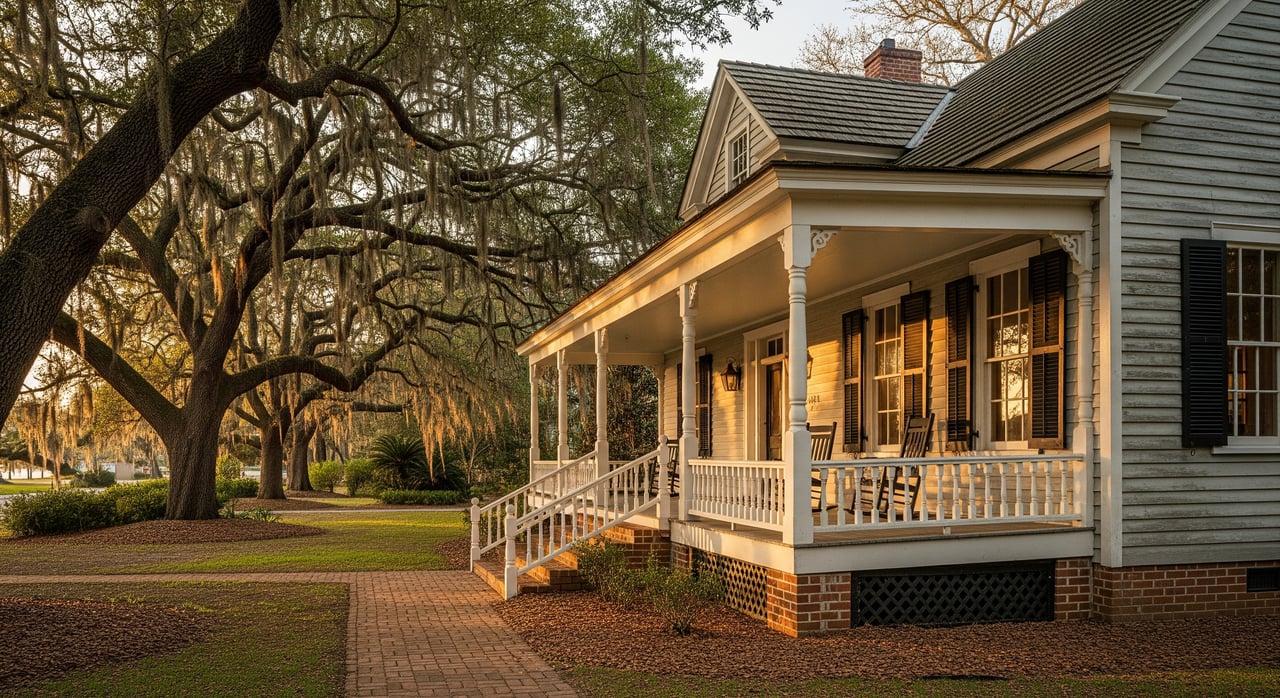
Trading surf for shade under Montrose’s live oaks can be a smart move if you plan it right. If you own a Gulf condo and want a Montrose Historic District cottage, a Section 1031 exchange can let you reinvest while deferring capital gains and depreciation recapture. You care about lifestyle, but you also care about tax efficiency and deadlines. This guide shows you how to structure the swap, what to watch locally in Montrose, and the steps to keep your 1031 on track. Let’s dive in.
Why consider a 1031 for this swap
A 1031 exchange lets you defer federal capital gains tax and depreciation recapture when you sell investment real estate and buy other like-kind investment real estate in the U.S. Condominiums and single-family cottages are generally like-kind, so your Gulf condo to Montrose cottage trade can qualify if both properties meet the investment-use requirement.
Deferral is not elimination. Your basis carries over into the replacement property and taxes are deferred until a taxable sale later. You must follow strict rules for identification, timing, exchange proceeds, and documentation to preserve the benefit.
Investment use comes first
To qualify, both the relinquished condo and the Montrose cottage must be held for investment or business use, not primarily for personal use.
- If your condo has been a vacation home, document investment intent. Keep records of rental activity, advertising, leases, and management. Maintain market-level rents and professional operations where possible.
- If you plan limited personal use of the Montrose cottage, plan ahead. Track stays, maintain market rental pricing, and document rental periods. A tax advisor can help you apply safe-harbor guidance for mixed personal and rental use.
Your timeline at a glance
Two dates rule the 1031 process. Missing them can make the exchange taxable.
- Within 45 days of transferring the condo, identify your replacement property or properties in writing to your qualified intermediary (QI).
- Within 180 days of the condo transfer, complete the purchase of the Montrose cottage through the QI.
You cannot receive or control sale proceeds at any time. A QI must hold those funds. The 45 days run inside the 180 days, and your tax return due date may shorten the 180-day window in some situations. Coordinate early with your CPA and closing team.
Identification strategies for Montrose inventory
Montrose Historic District cottages can be scarce. Structure your identification to fit the market.
- Three-property rule: Identify up to three properties, no matter the value. This is simple and often best when you have two to three realistic targets.
- 200 percent rule: Identify any number of properties, provided the combined value does not exceed 200 percent of your condo’s sale price. Helpful if you need multiple backups.
- 95 percent rule: Identify any number of properties and acquire at least 95 percent of the total identified value. Use this when you expect to buy most of a larger identified set.
Pre-identify candidates before listing your condo. In Montrose, backup options reduce the risk of missing the 45-day deadline.
Financing, debt, and avoiding boot
To fully defer gain, your replacement purchase price and debt should be equal to or greater than what you had on the condo. If you reduce debt or receive cash, you create taxable “boot.”
Get preapproved for the cottage early. Historic properties can present appraisal questions and lender requirements. If you cannot match prior debt, be prepared to add cash at closing to keep deferral intact or accept partial tax on boot.
Reverse and improvement exchanges
If the perfect Montrose cottage appears before your condo sells, a reverse exchange can hold the replacement property through an Exchange Accommodation Titleholder until your condo closes. Reverse exchanges are more complex and costly but can solve timing in a tight market.
If the cottage needs substantial rehabilitation, an improvement exchange can allow certain improvements to be completed within the exchange period while funds are held by the QI. This structure has strict documentation and escrow conditions, so plan early if you intend to pursue it.
Montrose due diligence essentials
Buying in a historic coastal district adds a few layers to your checklist. Confirm these items during your identification period so you can close within 180 days with confidence.
Historic considerations
- Verify historic district status and any design review. Many exterior changes require approvals. Obtain local design standards and understand permit timing.
- If you plan rehabilitation, explore potential federal or state historic rehabilitation tax credits and certification steps. These programs usually apply to income-producing properties and require adherence to specific standards.
- Expect older systems. Budget for electrical, plumbing, foundation, and HVAC updates common to historic cottages.
Zoning and rental rules
- Confirm zoning and permitted uses in Baldwin County and any applicable municipality. Rules may affect long-term or short-term rental plans.
- If any association is involved, review restrictions on rentals, transfer fees, approvals, and right of first refusal that could impact timing or proceeds.
Flood and insurance realities
- Check FEMA flood zone designation and obtain an elevation certificate if needed. Flood and windstorm coverage can be significant ongoing costs near the coast.
- Get insurance quotes early. Underwriting for historic homes may require mitigation or specific upgrades. Request any available past claims history.
Title and closing checks
- Order a thorough title search to uncover liens, preservation easements, or unpaid assessments. Condo association liens on the relinquished property can delay the sale and your exchange clock.
- Coordinate with the QI and closing agent so exchange documents are executed correctly. Documentation errors are a frequent cause of failed exchanges.
A step-by-step plan you can follow
Use this process to balance lifestyle goals with investment outcomes and stay inside the 1031 timelines.
Step 0: Prework before listing
- Clarify your goals: return targets, personal use limits, rehab appetite, and hold period.
- Engage a QI and a tax advisor who handle 1031s and historic properties.
- Secure lender preapproval and gather preliminary insurance quotes for Montrose cottages.
Step 1: Prepare the condo for sale
- Preserve investment intent documentation: leases, rental listings, receipts, and management records.
- Resolve any association rules, approvals, and liens that could slow your closing or reduce net proceeds.
Step 2: Scout and pre-identify replacements
- Track Montrose inventory and shortlist multiple cottages. Evaluate condition, rental potential, and regulatory fit.
- Align your identification approach with the three-property, 200 percent, or 95 percent rule. Follow the QI’s identification format precisely.
Step 3: Start the exchange clock
- Close the condo sale with the QI receiving proceeds. Do not touch the funds.
- Deliver your identification notice to the QI within 45 days and begin focused due diligence immediately.
Step 4: Compress due diligence and financing
- Complete inspections, historic review questions, title work, and final loan approval well before the 180-day deadline.
- If rehabilitation is part of your plan, line up contractor bids and understand any certification or permit steps that affect schedule or budget.
Step 5: Close and document
- Close the cottage purchase through the QI within 180 days.
- Keep comprehensive records: QI statements, identification notices, closing statements, and rental documentation for audit support.
Step 6: Operate with intent
- If you enjoy occasional personal stays, track personal days and rental days carefully and keep pricing at market levels to maintain investment treatment.
- If pursuing historic credits, follow required certification processes and keep detailed cost records.
- Reassess insurance, rental performance, and compliance with historic district rules periodically.
Risk management and common pitfalls
You protect your deferral by staying ahead of known risks.
- Deadlines are immovable. Set internal reminders for days 30, 45, 120, and 165 to avoid last-minute surprises.
- Do not receive exchange proceeds. All funds must pass through the QI.
- Identification must be precise. Use the QI’s required format and verify addresses, parcel numbers, and rules applied.
- Clear title and approvals early. HOA liens, preservation easements, and lender conditions can push you past day 180 if not addressed promptly.
- Avoid conversion to personal use too soon. Maintain investment intent and documentation.
When a 1031 is not feasible
If timing or inventory makes a standard exchange impractical, you still have options.
- Close on the Montrose cottage outside of a 1031 and pay the current tax due on the condo sale.
- Use a reverse exchange to acquire the cottage first when you must secure a rare opportunity.
- Consider a Delaware Statutory Trust or tenancy-in-common interest as a passive alternative when no suitable Montrose cottage is available.
- Work with your CPA on other tax planning strategies for proceeds you cannot exchange.
How The Legacy Group supports your swap
You benefit from a team that understands both coastal investment dynamics and the nuances of historic Montrose.
- Local stewardship: Neighborhood nuance, historic-district expectations, and investor-minded property insight across Baldwin County’s eastern shore.
- Investor advisory: Practical guidance on rental positioning, identification strategies, and exchange-friendly timelines that fit local inventory patterns.
- Transaction execution: Coordination with your QI, lenders, title companies, and attorneys to keep the 45- and 180-day milestones on track.
- Market reach: Premium marketing and network access that help you sell the condo efficiently and focus on securing the right Montrose cottage.
Ready to map your exchange and walk oak-lined streets without losing sight of tax efficiency? Schedule a Private Consultation with Unknown Company.
FAQs
What is a 1031 exchange for swapping a Gulf condo to a Montrose cottage?
- It is a tax-deferred exchange that lets you sell investment real estate and reinvest into other like-kind U.S. investment real estate while deferring capital gains and depreciation recapture if you meet strict rules.
How long do I have after selling my condo to buy in Montrose?
- You have 45 days to identify replacement properties in writing to your qualified intermediary and 180 days from the sale to close on the replacement, with both periods running from the transfer date.
Can I use the Montrose cottage personally and still qualify under 1031?
- Limited personal use may be possible if the property is primarily held for investment, with documented rental activity, market pricing, and careful tracking of rental versus personal days per your tax advisor’s guidance.
What if I cannot find a Montrose cottage within 45 days?
- You can identify multiple backup properties using the three-property, 200 percent, or 95 percent rules, but if you do not acquire a qualified property within 180 days, the exchange fails and gain is recognized.
Will I owe tax if my new mortgage is smaller than my condo’s?
- A reduction in debt or receiving cash creates taxable “boot,” so you typically match or exceed your prior debt or add cash to the purchase to keep full deferral.
Are historic rehabilitation tax credits available for Montrose cottages?
- They may be available for qualifying income-producing historic properties if the work meets certification standards, but you should confirm eligibility and process with the appropriate preservation authorities and your tax advisor.
Do I need flood or wind insurance for a Montrose cottage near the bay?
- Many coastal properties fall within FEMA flood zones and require flood and windstorm coverage, so verify zone designation, obtain an elevation certificate if needed, and secure quotes early.